Advancing Medical Education Through Policy, Practice, and Professional Formation
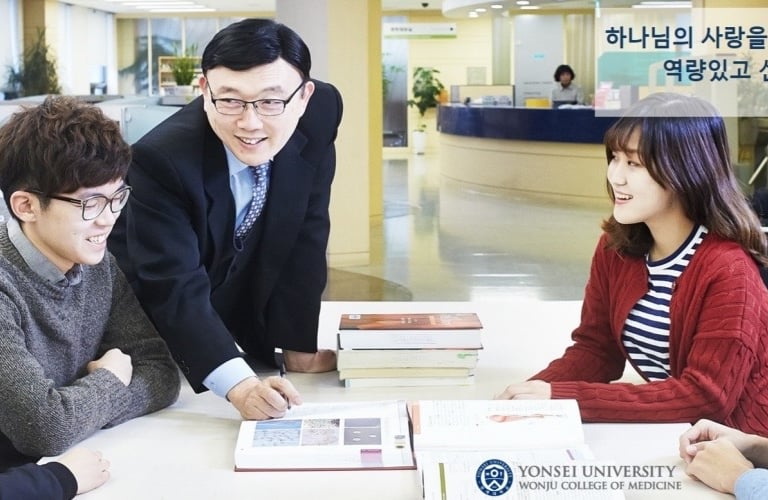
The Department of Medical Education at Yonsei University Wonju College of Medicine is dedicated to developing the philosophy, theory, and policies of medical education and applying them to actual medical training. By continuously identifying the most effective educational approaches, the department strives to lead contemporary medical education and contribute to shaping its future direction.
About the Department
The Department of Medical Education serves as a central academic unit for the development and implementation of educational philosophy, theory, and policy within the medical school. Its role extends beyond curriculum oversight to the continuous improvement of medical training through thoughtful educational planning, faculty development, and the integration of humanistic and professional values into physician education.
The department is committed to ensuring that medical education remains responsive to changing educational needs, aligned with broader developments in the field, and grounded in a clear vision of what it means to educate competent and trusted physicians.

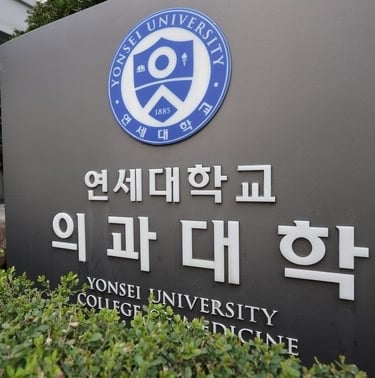
Mission
The mission of the Department of Medical Education is to develop the philosophy, theory, and policies of medical education and apply them to actual medical training, while continuously identifying the most effective educational approaches. Through this work, the department seeks to lead contemporary medical education and shape its future direction.
What We Do
Educational Policy Development
One of the department’s most important responsibilities is the development of educational policy. To fulfill this role, the department monitors domestic and international trends in medical education and formulates policies that reflect the directions of relevant organizations, including the Korean Institute of Medical Education and Evaluation and the Association of Korean Medical College Deans and Graduate Medical School Deans.
These efforts help ensure that the school’s educational programs remain aligned with evolving standards and expectations in medical education.
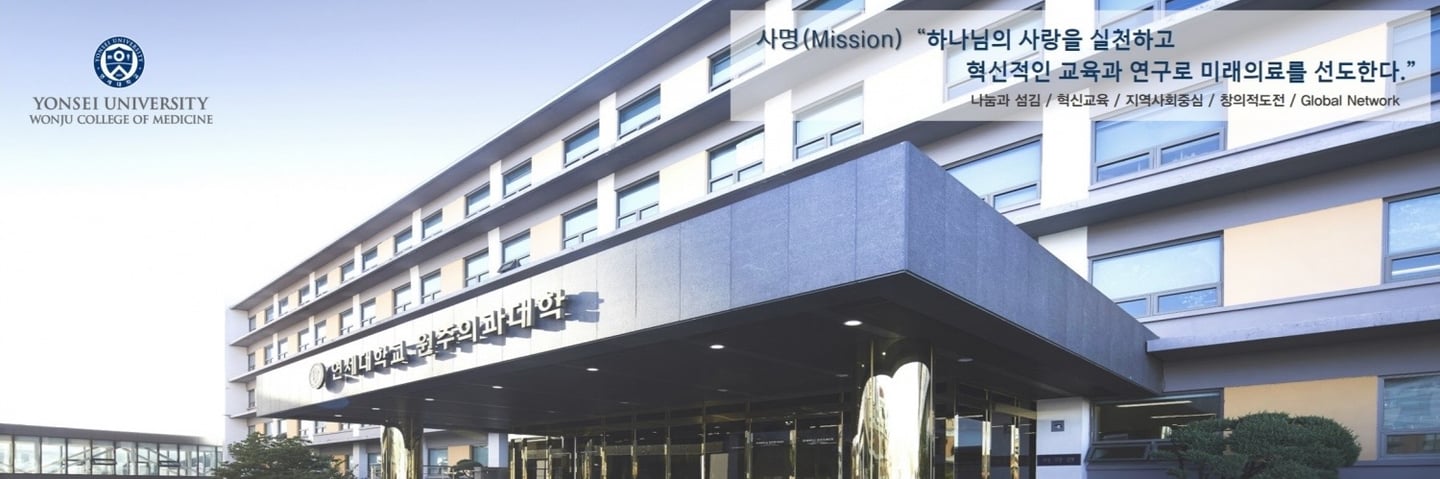
Faculty Development
Another key responsibility of the department is to strengthen the capabilities of faculty members involved in teaching. Through faculty development programs offered each semester, the department supports educators in understanding the changing characteristics of learners and enhancing educational effectiveness through the continued improvement of teaching competence.
The department also develops and operates policies related to the educational content managed by the divisions of Medical Humanities and Specialized Education. This work reflects a broad and integrated understanding of medical education, recognizing that the preparation of physicians requires more than the transmission of medical knowledge alone.
Curriculum Policy and Educational Content
Educational Philosophy
The department believes that a competent physician must possess not only medical knowledge, but also the ability to apply communication skills appropriately with patients, caregivers, other healthcare professionals, and society. In addition, physicians should demonstrate sound clinical skills, clinical reasoning, emotional maturity, value judgment, and self-reflection as part of their daily professional practice.
These qualities are essential for serving both society and patients. Grounded in Christian values, the department also emphasizes the formation of physicians as trusted professionals who practice God’s love through service and humanity.
Medical Humanities
Beginning in the 2013 academic year, the Medical Humanities division introduced a medical humanities curriculum into the formal medical program. This initiative reflects the department’s view that medical humanities are not merely a form of general liberal education, but an integral part of medical education itself.
Within Medical Humanities, distinctions among areas such as history, philosophy, and ethics were removed in favor of a more integrated approach. As a result, the curriculum has been delivered under the unified title:
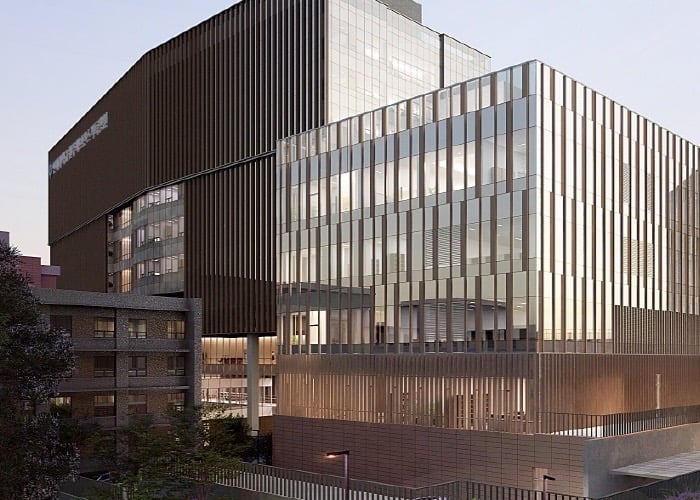
Patient - Doctor - Society
This integrated framework underscores the importance of understanding medicine not only as a scientific discipline, but also as a human and social profession shaped by relationships, responsibility, reflection, and ethical practice.
Specialized Education
In the area of Specialized Education, the department is responsible for developing and operating educational policies in areas considered insufficiently addressed in the current curriculum. These include strengthening research capacity, international health and international medicine, and the application of medicine grounded in Christian values.
Through these efforts, the department seeks to broaden the scope of physician education and help prepare future doctors to respond effectively to the demands of a changing healthcare environment.
People
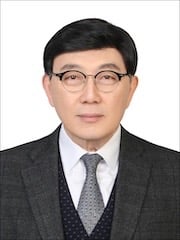
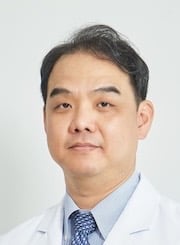
Byung Il Yeh
Professor
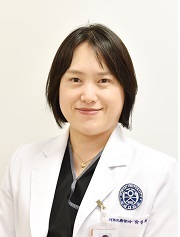
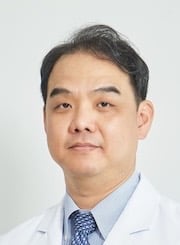
Kyung Hye Park
Professor
Yon Chul Park
Associate Professor


Binh Phuong Le
International Advisor
Contact
Reach out for questions or support
Department of Medical Education
Yonsei University Wonju College of Medicine
20 Ilsan-ro, Ilsan-dong, Wonju-si,
Gangwon Special Self-Governing Province 26426, Republic of Korea
© 2026. All rights reserved.